A Diane Warren ballad, where “Diane Warren” is a genre, not a person.
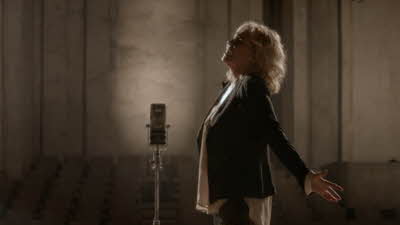
[Video][Website]
[4.73]
Scott Mildenhall: The BBC have really missed a trick with this one. If they were looking for a blonde, female singer in her early sixties who has experienced considerable success around the world for their 2013 Eurovision entrant, then, well, they’ve succeeded. But they could have had it so much better, were they somehow able to convince Agnetha to return to the stage upon which she made her name, and in her home country. It would have made perfect sense. Yes, in “Believe In Me” they already have a nice piece of somewhat outdated, string-laden schlager, but not one as assured or majestic as this.
[7]
David Moore: I’ve been near-obsessed with Agnetha Fältskog since nearly a decade ago picking up her greatest hits and vaseline-lensed covers album My Colouring Book, with which I have spent nights singing along, shaking my head “no” mournfully to no one in particular, drinking red wine and getting misty. Here we’re in overblown Celine ballad territory, complete with a big key change into the chorus…in the first minute! Soggy as hell. Will go to bat for it.
[7]
Alfred Soto: The last time she graced the Billboard Hot 100 was with a Peter Cetera duet when Ronald Reagan was president, and she chose a song as if Cetera still mattered. With the thick blocked percussion and limp acoustic riffs from a contemporary “American Idol” production, Agetha faces a steep climb already, and the melodic progression of the verses lead us to expect a choral lift…which doesn’t come. One of the most unhinged vocalists in pop deserves better than Stevie Nicks castoffs.
[4]
Brad Shoup: The skittery synth riff sounds like a fourth-gen Xerox of a Young Money track. And Fältskog is rather uninvested, but it’s understandable; when you’ve got such a diligent Wikipedia editorship, why show up?
[3]
Rebecca A. Gowns: Where “Cut Copy Me” is this year’s case example for how to transfer an older singer’s voice onto modern pop sounds, this one shows how it could have all gone wrong: lack of commitment-to-execution, jarring production, plodding pace. Gallant, meet Goofus.
[3]
Crystal Leww: With the exception of the very out of place synths, this somehow sounds more old-fashioned than anything Agnetha was doing with ABBA back in the 70s. There’s a sheen in her voice as a result of the production, but the lyrics seem to suggest emotion. That disconnect ends up not working.
[4]
Will Adams: The key changes tell me that this is convinced of its ridiculousness, but the barging synths tell me that this is very serious in its bid for radio airplay. In 2008.
[4]
Anthony Easton: There are some electronic squiggles here and there, which place this in recent times, and there is a slightly nasty edge to some of the lyrics, but the genius of her work has always been a complete open joy — the production epic and triumphant over lyrics as simple and iconic as anything that has ever been produced. The idea of them changing, or crying, or not forgiving, or even dying, has a melodramatic oomph that suggests a late stage move into a new understanding of mortality. Extra point for how she sings “honey.”
[6]
Daniel Montesinos-Donaghy: Skittering unease rubs up against more “traditional” songcraft, merges as well as oil and vinegar, ends up sounding surprisingly dated. The track, however, pleasingly retains that Fältskog brutality on the matter of failed relationships: “no forgiveness/no politeness.”
[5]
Edward Okulicz: Agnetha’s voice is, as it always has been, lovely and inviting, but what they’ve done to it (treatment and songwriting) to fit with this apparently modern style and sound is just treacle piled on top of sap. Doesn’t make much sense — her appeal as exemplified by the ongoing popularity of ABBA is in how execution trumps evolution. That grainy, farty synth preset over the ending is so undignified. Forget this, go back to the Villa edit of her 80s hit “Wrap Your Arms Around Me” and listen in wonder how much less dated that is.
[5]
Katherine St Asaph: If I hear this as an Agnetha song, it’s great. If I hear it as a Little Mix song, it isn’t. Unfortunately, the synths toward the end settle that question.
[4]