Nominative deblurbatism…
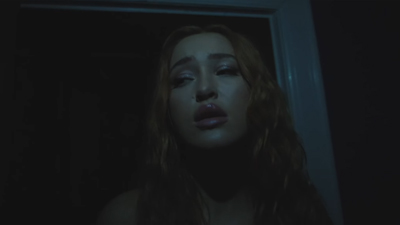
[Video][Website]
[5.00]
Leah Isobel: I could knock “Middle of the Night” for its humorlessness, but desire can feel like that. Duhé’s vocal — indie-girl affected, in true 2010 fashion — courts instability, and the guitar’s scratchy warble suggests the same, mystical and coming apart at the seams. More than anything, this reminds me of listening to “Guns and Horses” when I was 16, flirting with boys over text message and drawing up fantasies in my head. Novelty and levity aren’t the point; intensity, affected or not, is. You might want a song that doesn’t so much soundtrack a moment as much as valorize it. By that metric, this works fine.
[5]
Ady Thapliyal: “Middle of the Night” does the cinematic pop style better than Dove Cameron’s “Boyfriend,” but has some terribly cringe lyrics that remind me of the (delusional) fantasies the 20-year-old from “Cat Person” was having as foreplay, fetishizing your submission as if you were detached from your own body… it’s very bad when a song about sex makes me want to not have it.
[1]
Oliver Maier: I find this sort of self-serious, BANKS-y goth-lite pop kind of silly and tiresome most of the time. This isn’t necessarily an exception — Duhé doesn’t really provide much to write home about — but the meandering verse melody and twisty guitar sample at least give it a bit of flavour.
[5]
Vikram Joseph: The acoustic guitar figure that bookends “Middle of the Night” leans toward Balkan folk, and there’s a certain weirdness here that intensifies Duhé’s hot-blooded lyrics. The 6/8 signature lends the chorus a whirlpool motion, and the reverb-streaked vocals bleed elegantly between lines. It’s compelling, if a little slight — it’d doubtless go down a treat in front of a crowd at a late-night bar, but might not be something I come back to often on headphones.
[6]
Ian Mathers: The title and the fervid little guitar figure in the intro seem like we’re going somewhere interesting, but ultimately things are nocturnal but not really spooky, and it seems like this would be more successful if it were spooky.
[6]
Jeffrey Brister: I dig the whole “indie singer forest pixie” vibe, how Duhé’s voice slithers around the swirling music. There’s a simmering, dark drama to the whole thing, a low-lit room split by dim flashes of lightning.
[7]
Alfred Soto: On first listen it sounds like The Third Man theme sung by Susanne Sundfør but without the angst.
[5]
Harlan Talib Ockey: Comparing any brooding, vaguely sacrilegious synthpop single to the Weeknd feels like exceptionally low-hanging fruit no matter how many of his song titles Duhé almost name-checks in the chorus or how much she wanted him to sing it in the first place, so let’s put in a pin in that for a second. The flamenco guitar sample and witchcore lyrics are about waist-deep in Florence + The Machine waters; it’s an odd amalgamation of influences on paper, but the high drama in both styles welds them together surprisingly successfully. The lyrics are the clearest weak point. Witchiness, blasphemy; the vibe Duhé is shooting for is obvious, but there are simply too many clumsy, unwieldy phrasings like “within me lies what you really want” to truly hit the mark. The chorus is easily the strongest section on that front — no awkward wording mishaps — and I don’t think it’s a coincidence that it’s the part TikTok’s gripping firmly in its jaws.
[5]