Seems like we still do…
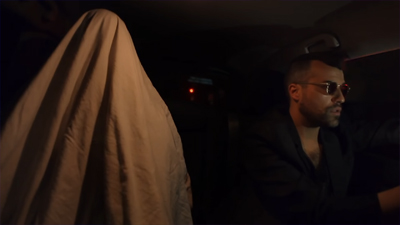
[Video]
[6.62]
Alfred Soto: Apparently The Singles Jukebox has a history reviewing Neon Trees, and, interestingly, so have I. The guitar crunch and enthusiastic chorus promise pre-hip-hop pleasures — by a CMJ-beloved quartet in 1986, say. In a timeline devoid of verities, young bands must make their own. Or find them.
[4]
Kylo Nocom: When rock radio acts are either annoyingly ubiquitous or complete one-hit-wonders, Neon Trees being a two-hit wonder always seems to make their legacy a bit awkward given that it seems like it barely exists. Of course, “Everybody Talks” and “Animal” remain among the best pop rock hits of the century so far with their incessant twee energy. Even if the title phrase could read as a self-aware Hail Mary attempt à la “Never Really Over,” “Used to Like” has a confidence that suggests a reality in which their style of nervy power pop has always remained en vogue. The highlights include the pseudo-“Fireflies” synth melody and the bridge’s glitched breakdown — certainly features that date the song, yet feel indescribably joyful right now.
[8]
Tobi Tella: Less schticky and more honest than I expected from the band, but also trends less interesting. I appreciate the attempt at propulsion and fun in the chorus and bridge, but I think going a little further would’ve given it more impact.
[6]
Edward Okulicz: The groove is rubbery, the hook is dinky, the song as a whole is… cuddly? That can’t have been the goal, but like the accidental invention of Teflon, the result sticks, it just works.
[7]
Brad Shoup: The line “get back to what you used to like about me” might be… a little emblematic, but hearing Tyler Glenn murder some vowels in the bridge really did send me back. After all this time, Neon Trees’ pneumatic new wave remains more uncanny than one thousand hypnagogic pop acts.
[7]
Ian Mathers: There is, of course, a tinge of self-loathing to the idea of going back to what used to be likeable, or loveable, or even just tolerable, about yourself. Not only have circumstances shifted away from what you want (now, although god knows we often don’t know what we’ve got until it’s gone), but we’re placing the blame and the solution strictly on ourselves. Of course, demanding that someone else “gets back to what you used to like about me” puts it in the realm of the person who changed on you showing up at your door and expecting you to act like nothing happened. Which doesn’t make them nice, but nice isn’t always the same as appealing.
[7]
Andy Hutchins: The parallel paths of Neon Trees and The Killers — bands of Mormons and ex-Mos from desert lands that toured together because the latter essentially discovered the former — fascinate me. The Killers struck with classically rock songs and have kept both making those songs and getting weirder for 20 years, becoming one of the biggest bands in the world at a time despite their singles having no purchase at pop radio: They haven’t had a top-40 hit since Brandon Flowers immortally wondered “Are we human or are we dancer?” and yet released a platinum album in 2012 and an album that debuted at No. 1 in 2017; a third is due this spring, and it’s probably going to be even more of Flowers making his band the millennial equivalent to U2. It’s probably going to be pretty good and sell even if it barely registers in the pop mainstream. Tyler Glenn, on the other hand, is the kind of former Mormon who’ll spit on Joseph Smith and revel in a lack of sobriety while working toward 15 years of trying to write the perfect pop song. “Used to Like” is not that, but its energy jangles, and its romanticizing of the liquored-up fuck-up Glenn is happy to play is at least trying to make an anti-hero compelling. Especially while The Weeknd is in the midst of working the same gimmick on the other end of the dial as a Vegas tourist, it’s nice to have a local providing the view from the ground, raging against his own dying of the light.
[6]
Jackie Powell: Tyler Glenn told Billboard in November that “Used to Like” is about the pain that comes and goes when a co-dependent relationship shatters. That much is clear in the visual treatment. The loneliness is given a very modern image that is overused in our 2020 vernacular: the ghost. A white sheet/ghost figure follows Glenn through the void of his own loss. He meets someone at a bar and the mood changes. The ghost steps aside and stops its pursuit, but by the end of the clip, we see that Glenn didn’t slay the ghost. It greets him in the morning leaving him feeling melancholy. The track itself is a well-mixed solute of the entire Neon Trees discography, giving fans nostalgia while also inviting in newcomers who want to rock out and simultaneously feel a bit droopy. Producer Mike Green mixes the melodic and rhythm guitar of Habits, the dark ’80s synths of Picture Show and a touch of the high energy but depressing undertones of Pop Psychology. Glenn’s storytelling is like a three-minute brisk workout all about modern love that runs circles around the New York Times column and its corresponding Amazon Prime series. It simply does the job with more energy and speed. Elaine Bradley’s drumming keeps the tempo and the track moving because when her beat keeping cuts out with seven seconds remaining, Glenn brings his “yeah yeah yeahs” down the octave and down a dynamic, symbolizing that the marathon has been run. The lesson has been learned. This track aids with the transitional emotional journey that we don’t really talk about. But do we really talk about why people used to like each other anyway? Maybe Glenn is saying we should.
[8]