Amnesty continues with this pick from TA, and feel we do…
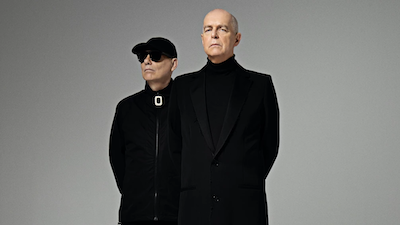
TA Inskeep: No single this year made me get a lump in my throat more than this one, especially thanks to its video. It astounds me that 40 years on, Neil Tennant and Chris Lowe can still write quietly soaring odes to love of any kind between two people. Nonetheless is their best album in at least a decade, and this is its unassuming standout — as is so often their way.
[10]
Iain Mew: Pet Shop Boys can now reach back to something from later in their career and it’s still from more than twenty years ago. The elegiac mechanical shuffle of “Feel” reminds me a lot of Release highlight “The Samurai in Autumn”, perhaps now the samurai in winter. I’ll take the mystery and yearning of that over the swelling feels of “Feel”, but it still sounds very good.
[6]
Alfred Soto: Returning to the oompa-oompa-oompa of sequencers in late middle age like Thomas Hardy did to the quatrain, Chris Lowe and Neil Tennant still want to make us move, make us think about moving, and to make us think. Their key changes, like Hardy’s archaisms, still startle. Tennant can still stretch a voice whose capacity to feel has never yielded to its physical imitations. The Boys are like besties.
[7]
Jel Bugle: It’s the same old song — blips, a chorus, words. Should they be making the same song again? Totally up to them. I guess people who like Pet Shop Boys will love it, and good for them!
[5]
Nortey Dowuona: The string arrangement in the back end of this song holds more weight than Neil Tennant’s voice.
[5]
Brad Shoup: Full of wonder, like a Dusty Springfield cosmic comeback. It absolutely feels as cozy and chilled as winter.
[9]
Ian Mathers: The thing about late-period PSB, to me, is that it’s operating on much narrower parameters. The floor is never that low (I have yet to hear them genuinely embarrass themselves), but neither can the ceiling extend too high. I’ve accepted that “Flamboyant” (from, jeeze, 20 years ago) may be their last single that I truly rank with their all-timers, but that doesn’t mean I haven’t liked plenty of singles since then just fine. This one is lovely and I’m always glad to see them. Apologies if that feels like faint praise.
[7]
Dave Moore: Tom Ewing recently wrote up “Being Boring” in a way that sparked something in me after a lifetime of PSB’s ambivalence. For one thing, it gave me renewed patience for their intros, the way they give you time to appreciate their obsessive, samey little ice sculptures, something between sleek and kitschy. And the words — the words! They’re good words, too writerly by half but by authors who appreciate craft. Here I’m stuck on the image of a train arriving, wait, click, the doors unlock and open, and two friends are reunited, a quick expectant glance and the promise of conversations to follow, most of them probably about pop music.
[7]
Tim de Reuse: Sung with the ease and confidence of someone who’s had a multi-decade career doing this kind of thing already. It’s well-constructed and goes down smooth, but it’s so doggedly consistent in its sugariness that it fails to deliver any substance; give any element your full attention for a few bars (the squeaky percussion, the unbearably earnest lyrics, the up-down octave bounce of the bassline) and you’ll find something so tried-and-true, so unconcerned with being noticed, that it just kind of melts away to the touch like cotton candy in water.
[5]
Katherine St. Asaph: Somewhat stodgy, and certainly not the best song I’ve heard about impossible yearning, nor impossible yearning with the “Running Up That Hill” beat, or impossible yearning with strings, or impossible yearning with strings set at a train station. But there’s a reason — well, reasons plural — I’ve heard so many of them. The combination feels as deeply pre-ordained as what they describe.
[7]
Scott Mildenhall: Neil Tennant will wrap you up in tales of arcane history or experience and then hit you with the most down-the-line expression of emotion. This time his vows are multiple, but each one stays delicate, distilled and direct. Their modest melodies are made for orchestral accompaniment, and it’s those wings that take the weight. The ambivalence is never far away, but it only masks the clarity. The stronger the guard, the more powerfully it drops.
[8]