The National may be one of the most consistently scoring bands on TSJ.
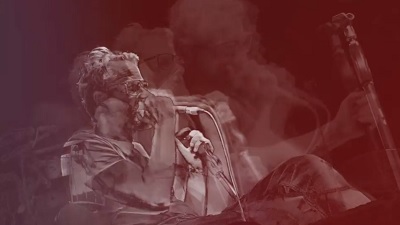
[Video][Website]
[5.88]
Tim de Reuse: Oh, Matt, you’ve always had a tendency to lay down tightly rhyming verses next to each other based on associational dream logic, but here it seems like you’ve reversed your approach; the message is compelling and clear, but the delivery is loose and unsatisfying, like you’re following a karaoke machine that’s going in and out of sync. The second verse, in particular, sounds like it was written before anyone had worked out how many syllables would best fit in each bar. There’s no law that everything by The National has to have an easily memorizable singalong structure, but, well, I don’t think this change of focus revealed any hidden strengths; the verses are too messy to stick in your head, and the chorus is a tacit plea that repetition might make the heart find some kind of gravitas in a flimsy eight-word mantra. There’s not a lot to like outside of Berninger’s baritone, either. Bryan Devendorf’s drums are atrociously overproduced, and serve as a constant, thumping distraction from the things that actually work; they belong in a thoughtless, sanitized DnB track by a bedroom producer who spent the week previous memorizing every YouTube tutorial on “punchy, professional snares” released in the last ten years.
[4]
Edward Okulicz: Not that I don’t find this perfectly pleasant, but The National’s mumble with busy drums and fidgety guitar chords was perfected on Boxer‘s “Apartment Story.” There’s a bit of frustration, as moments of emotion shine through and then get snuffed out when the guitars chime in like they’re the chorus. With the caveat that complaining about a National song shuffling to zero volume without having resolved its feelings and narrative is like hating kittens for being adorable — it’s just what they do! — something about this one made me want a bit more.
[6]
Ian Mathers: I’m sure at this point plenty of fans would take “could basically fit in on Boxer” as high praise for a new song, but while they’re always going to need a couple of (relatively) high tempo ones to goose the sequencing a bit, if this gets people it’ll be for the same reason some of their ballads do: I just don’t know that many songs in any genre that have hit on this particular situation/emotion so squarely and sharply (in this case, having a relationship with someone so ambivalent and long-running you feel like it’ll never end but you’re not sure how it could survive; if you’ve never had one of those, no, you’re not missing out). Pretty sure the battle lines on these guys were drawn a long time ago, but if there’s something worth loving them for (aside from the music, which is always going to be a matter of taste/genre fondness) it’s the fact that I am 100% sure that Matt Berninger knows exactly how simultaneously true and false, fair and unfair he’s being when he sings “Don’t do this, I don’t do this to you”.
[7]
Cédric Le Merrer: Everyone, pay attention to the famous U2ish sad sacks’ breakup song. What an edgy casual domestic violence allusion! This poet really tells it like it is. But also, somehow, it has to be about America, right?
[3]
Alfred Soto: The avatars of genteel boredom in fitted shirts return with a skyscraping guitar hook and the kind of angst that makes grown men stick their heads between the speakers. “Day I Die” aims for the anthemic but remains a second side, song four track (it’s the second track). “The System Only Dreams in Total Darkness” felt as if Matt Berninger and his colleagues had choked on ashes.
[5]
Ryo Miyauchi: The National’s nerve-rattling rock aches and sighs and mutters too much for it to suggest that they wear critic-given praise of long-term consistency as a badge of honor. What’s good in enduring if you live long enough for people to disappoint you? Matthew Berninger pisses away that inevitable fate in “Day I Die” with self-deprecating sarcasm as usual, though he knows he’s got to sit with it eventually. Based on how little The National has grown in sound, his next few decades will go by even slower. And taking in just how long he’s got to endure make me nauseous.
[8]
Katherine St Asaph: Why does his voice sound like an aural JPEG artifact? How is this different than whichever song off Billboard’s alternative chart we’re mocking this year? Why aren’t the drums in a less identikit song?
[5]
Hannah Jocelyn: A crankier, weirder spin on the dinner parties and family gatherings of “Blank Slate”, “Tall Saint”, and “Lemonworld”. Even if the production is not as dense as something like “Bloodbuzz Ohio”, as nothing is (for better or worse), this is also the most immediate the band has ever sounded. Matt Berninger’s vocals float above the mix as if he’d already become a ghost, and the Dessner brothers U2 better than U2 just did with their reverberating, Lanoisy guitars. If Matt was incomprehensible on “System”, he’s lucid here – “young mothers love me/even ghosts of girlfriends call from Cleveland” is both an amusingly petty humblebrag and sums up the feelings that sometimes come with reunions, specifically the knee-jerk reactions – Why has nothing changed? Why do I still have to deal with all of you? On top of that, because this is a National song, there’s an overarching need to escape the room or the body altogether – but straight-up leaving is rude and you do not want to disappoint anyone. Matt does get tempted during the frantic bridge, his musings about old Val Jester only increasing the id’s influence during an inherently superego-driven event, but even imagining leaving the place makes him feel bad. It’s this tension between keeping it together and losing your shit that fuels “Day I Die”, bringing the smallest moments of dissonance and anxiety up to scale.
[9]