This is a story about control. Zoe’s control.
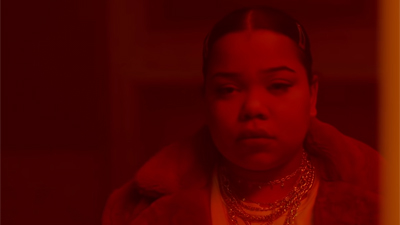
[Video]
[4.12]
Thomas Inskeep: Shooting for Adele, landing at Duffy — with a power ballad that unfortunately sounds like it came from the pen of Ryan Tedder (though it didn’t).
[2]
Alfred Soto: Thanks to the unmistakable influence of OneRepublic’s “Apologize,” Zoe Wees’ plaint promises not to lose control while yielding to bathos.
[3]
Alex Clifton: I understand this song is deeply entwined with Wees’s personal experiences with epilepsy and anxiety, and for that I laud her — sharing struggles such as these is never an easy task. Having said that, this is an Adele wannabe track with a Eurovision power-ballad chorus that slips in and out of my head while I listen to it. The unfortunate thing is that I can’t even remember what the chorus sounds like when the song is over. Marks for trying, but unfortunately this does nothing for me.
[3]
Nortey Dowuona: Noodling piano chords settle softly at the feet of Zoe’s burning, flickering voice, as she briefly bursts into flames, then settles back into a reserved yet simmering cool that immediately dissipates as she burns again, spreading the flattened drums and the soft blanket of synths. The shoelace bass pools and melts as the piano is placed in Zoe’s hand, making her finally place the flames into a crooked shell, which she places at her feet, relieved yet sorrowful.
[6]
Jacob Sujin Kuppermann: A completely acceptable vocal performance undercut by its dutiful adherence to the ballad form. It rises and peaks just like it is supposed to, two-note piano riff building to guitar-and-strings pomp without ever giving any reason to pay attention to that rise. Wees herself provides a few interesting notes, in the raspiness of her vocals and some of the lyrical turns on the bridge, but there’s nothing here that takes control.
[4]
Juana Giaimo: The contrast of her strong raw vocals — which I wish could offer more variety — and the over-polished production typical of these days’ ballads makes “Control” too dramatic, making it difficult for me to grasp the emotions of fear and vulnerability the lyrics describe.
[5]
Edward Okulicz: “Control” is an effective power ballad, but only up to the point where it deploys the actual power. The chorus is big but melodically weak despite Wees’ attempts to wring emotion out of it.
[5]
Will Adams: Fit for any music supervisor’s “moving ballad” pitch, but less impactful than its inspiration would suggest. Eventually the arrangement starts to build toward urgency — via storming drums à la Foxes’ “Youth” — but never reaches any notable heights. Ah well, there’s always remixes.
[5]