An alt-rock duo and a theme for a new anime of an old manga…
[Video]
[7.50]
[7]
Nortey Dowuona: While looking up information about n-Buna, the insane talent playing this languid, gooey acoustic guitar and in fact, producing the entire song, a theme for this Liar Game anime that I will mark as “interested” and never watch, I found out n-Buna was offered a chance to narrate a documentary on a trans Japanese man by NHK, the Japanese state owned television channel that you skip over to get to the MusicChoice channels on your old TV. And n-Buna accepted, despite being confused as to why. Good for n-Buna.
[9]
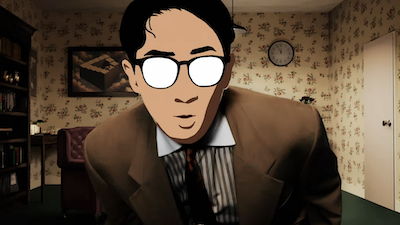
Ian Mathers: I had to play this one an extra time, because my first listen I got so wrapped up in the video I didn’t feel like I was listening to the song. But further iterations revealed that, yeah, the song itself is part of the video’s effectiveness (and not just in the way a certain recurring event is timed to it), which wouldn’t be possible if it was just middling.
[7]
Iain Mew: Another hit from Japan with a lot of jazz-rock to it, but this one gives the various instrumental elements some room to breathe. The resultant pleasures are all on the smaller side, especially when I have to look at a translation to get any sense of its outlook (bitter, it turns out), but the runs of piano and bass are really nice.
[6]
Jacob Sujin Kuppermann: A balletic, joyful song about some variety of existential dread; perhaps the jazz-rock is a bit too fussy or mannered for some tastes, but here I am hopelessly smitten with a single this propulsive with this silly of a bass tone.
[9]
Josh Winters: A high-stakes piece of clockwork pop that runs circles around its peers. There’s a restless geometry to how N-buna builds tension, and “Bubble” feels like watching someone meticulously stack glass blocks only to clip the base with a heavy bassline. It operates on a gorgeous loop of tautology: repetition as a form of emotional security. The track aggressively spins its wheels, running desperately in place. Suis’s vocal delivery carries a quiet, almost domestic sort of devastation, sounding caught in a tidal current as she fights the upbeat, syncopated clip of the instrumentation. The bridge breaks through the frantic pacing like cold sunlight hitting an empty room; it’s a sudden, vulnerable exhale before the breakbeats pull you right back under. It’s the sound of a beautifully structured panic attack that you can actually dance to.
[7]